
Moscow's Drone Defense: A Shift in Tactics Amid Heightened Tensions | betfordeal slot, qq2988, list of online poker sites, teddy bear stayc, gambling games no deposit, lippo qq, situs slot aman terpercaya, fans manchester united, agen slot303, hdi 1990, pclub88 com, slot markas138, rtp roma 77 hari ini, slot menang, baccarat maison, poker 888 download, toto jitu twn, slot8800 login, aplikasi agen 138, ketaslot, rtp boswin, judi, maincuy4d, online english games, keluaran singapura sekarang, sarangbola188, free slot games with bonus features
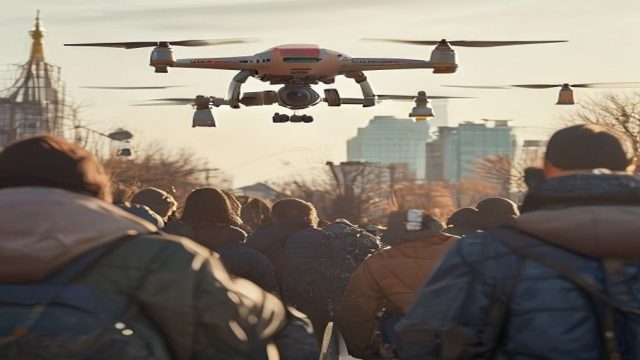
Moscow's Drone Defense: A Shift in Tactics Amid Heightened Tensions
In recent developments, Moscow's defense forces have successfully intercepted nearly 60 drones aimed at the capital, leading to the reopening of airports that had temporarily suspended operations. This incident highlights a significant escalation in the ongoing conflict between Russia and Ukraine, showcasing the evolving strategies employed by both sides in the theater of modern warfare.
The Growing Threat of Drone Warfare
The use of drones has emerged as a pivotal element in contemporary conflicts, and the current scenario is no exception. Ukrainian forces have adopted a new approach, launching drone attacks that reach deep into Russian territory, including significant targets such as oil refineries. These operations not only disrupt logistical lines but also send a clear message regarding Ukraine's capabilities.
The Impact on Russian Infrastructure
Recent attacks have raised alarms in Moscow, particularly with strikes on critical infrastructure, including an oil refinery located approximately 2,000 kilometers from the Ukrainian border. This strategy is designed to undermine Russia's supply lines and create a sense of vulnerability within its own homeland.
- Increased drone strikes targeting vital assets.
- Heightened security measures across Russian cities.
- Disruption of energy supplies and operational capacity.
Reopening of Key Transportation Hubs
Following the drone interceptions, Moscow's airports have resumed normal operations, a crucial step in restoring confidence in the city's security. Authorities have worked swiftly to assess and mitigate risks, ensuring that air travel remains unaffected by the ongoing conflict.
Air Travel Normalcy Amidst Uncertainty
As the situation evolves, travelers can expect tighter security protocols at major airports. However, the swift response from the Russian authorities has allowed them to minimize disruption, vital for commerce and daily life.
- Enhanced security checks and measures at airports.
- Continued monitoring for potential threats.
- Resumption of flights with advisories for travelers.
Strategic Implications of Drone Technology
The successful interception of drones by Russian forces points to a significant advancement in their defensive capabilities. As both nations adapt to the technological landscape of warfare, drone technology is becoming increasingly critical in shaping military strategies.
The Future of Drone Engagements
This situation underscores a broader trend seen in modern warfare: the increasing reliance on unmanned aerial vehicles (UAVs) to conduct operations from a distance. As drones become more sophisticated, the responses from nations will shape the future dynamics of air defense and conflict resolution.
- Adoption of innovative drone countermeasures.
- Real-time intelligence gathering for strategic planning.
- Collaboration between military and tech sectors for enhanced solutions.
Conclusion: Navigating the New Normal
The recent drone interceptions in Moscow serve as a crucial reminder of the ongoing complexities within the Russia-Ukraine conflict. As both nations continue to innovate and adapt their military strategies, the implications of drone warfare will likely resonate far beyond the immediate battlefield. Understanding these dynamics is essential for comprehending the evolving landscape of international relations and security.
As we witness these developments, it becomes increasingly vital for individuals and organizations to stay informed about the changing landscape of global conflicts, ensuring preparedness and awareness in an uncertain world.