
Discovering the Buzz: Millions of Native Bees at East Hill Cemetery | slot 25 get 25, bandarkiu terpercaya, no hk yg keluar
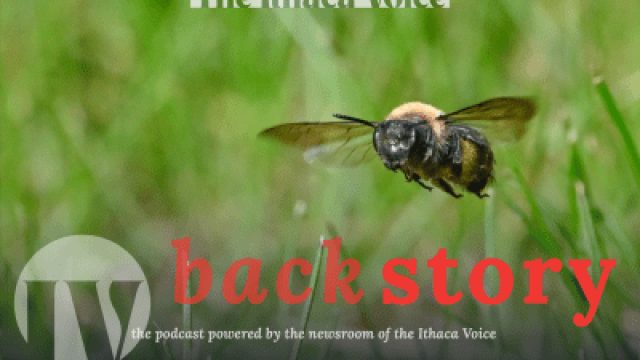
Discovering the Buzz: Millions of Native Bees at East Hill Cemetery
In a quiet corner of the East Hill Cemetery, a hidden world thrives beneath the surface. Recent studies have revealed that this historic site is home to millions of native bees, making it a crucial habitat for biodiversity and environmental health. As we delve into the significance of these pollinators, it becomes increasingly clear why their existence matters, especially in today’s rapidly changing ecosystem.
The Importance of Native Bees
Native bees play a vital role in pollinating plants, which is essential for food production and maintaining healthy ecosystems. Unlike their non-native counterparts, many native bees are specifically adapted to local flora, making them more effective pollinators for native plants. This adaptability is crucial for preserving the natural balance of our environment.
Why Are Native Bees Under Threat?
- Habitat Loss: Urbanization and agricultural expansion have led to the destruction of natural habitats, leaving bees without homes.
- Pesticide Use: The widespread use of pesticides has detrimental effects on bee populations, reducing their numbers and health.
- Climate Change: Shifting climate patterns disrupt flowering seasons and food availability for bees.
East Hill Cemetery: A Surprising Sanctuary
While cemeteries may not be the first places that come to mind when thinking of wildlife habitats, East Hill Cemetery has proven to be an unexpected sanctuary for native bees. The cemetery’s diverse plant life and minimal disturbance from human activity provide an ideal environment for these pollinators.
The Role of Local Flora
The variety of flowering plants in East Hill Cemetery supports different bee species, allowing them to thrive. From early spring blooms to late summer flowers, the cemetery's plant diversity offers a continuous food source. This is vital for the life cycles of bees, as it ensures they have access to the necessary nutrients throughout the year.
Community Involvement and Awareness
As awareness of the plight of native bees grows, local communities are increasingly involved in preserving these essential pollinators. Initiatives aimed at protecting and restoring bee habitats are springing up across the country. East Hill Cemetery serves as a model for how community spaces can contribute to biodiversity.
How You Can Help
Engaging with local environmental initiatives can significantly impact bee populations. Here are some ways to get involved:
- Support Native Plant Gardens: Encourage local parks and community spaces to plant native flowers that provide food for bees.
- Participate in Clean-Up Events: Join community efforts to remove litter and harmful substances from natural habitats.
- Educate Others: Share information about the importance of bees and ways to protect them within your social circles.
Conclusion: The Buzz Must Continue
As we uncover the hidden lives of native bees at East Hill Cemetery, it becomes apparent that these tiny creatures are crucial to our ecological well-being. Their existence is a reminder of the delicate balance within our environment and the importance of protecting habitats for future generations. By raising awareness and taking action, we can help ensure that the buzz continues, not just in cemeteries but throughout our communities. The time to act is now, as each bee plays a part in the larger story of biodiversity and sustainability.