
Navigating Political Tensions in the Workplace During Election Season | situs slot pg bet 200, rtp pialasport, chip poker, jam rtp slot gacor
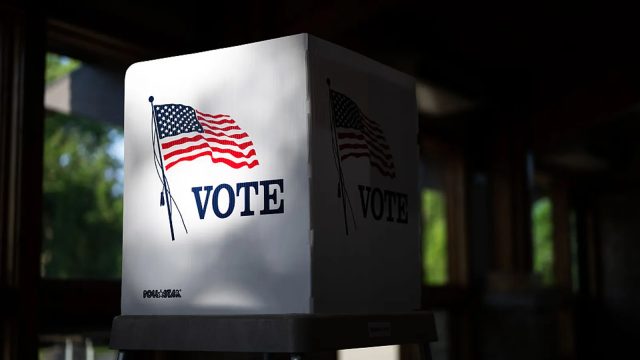
Navigating Political Tensions in the Workplace During Election Season
As the election season heats up, political discussions are becoming increasingly polarized. This shift not only impacts society but also seeps into the workplace, where employees may bring their political affiliations and beliefs into their daily interactions. For HR leaders, the rise of political divisiveness presents a unique challenge that requires thoughtful strategies to maintain a harmonious work environment.
Understanding the Current Climate
Political tensions in the workplace can lead to conflicts, decreased productivity, and a toxic atmosphere. With events unfolding rapidly in the political arena, it’s crucial for HR professionals to stay informed and proactive. Here are some reasons why addressing political divisiveness is especially pressing now:
- Increased Employee Engagement in Politics: More employees are actively participating in political discussions, which can lead to disagreements and discomfort among colleagues.
- Impact on Team Dynamics: Political divisiveness can undermine teamwork, leading to reduced collaboration and increased conflict.
- The Need for Inclusivity: A diverse workforce brings a wealth of perspectives, but it also necessitates a sensitive approach to discussions that can alienate certain groups.
Strategies for HR to Manage Political Discussions
To foster a respectful and inclusive workplace, HR leaders can implement several strategies to manage political conversations effectively. Here are some best practices:
1. Establish Clear Policies
Creating a clear policy regarding political discussions at work is essential. This policy should outline expectations for employee behavior and communication, especially during heightened political periods. Key elements to include are:
- Guidelines on respectful discourse
- Consequences for harassment or discriminatory remarks
- Encouragement for constructive dialogue
2. Promote Open Dialogue
Encouraging open conversations allows employees to express their thoughts while also understanding differing viewpoints. HR can facilitate forums or discussions where employees can share ideas and opinions safely. This fosters a culture of respect and openness.
3. Provide Training on Inclusivity
Training sessions focused on inclusivity and respect can equip employees with the skills necessary to navigate political conversations. Workshops can cover topics like:
- Effective communication techniques
- Understanding biases
- Conflict resolution strategies
Creating a Supportive Environment
Beyond addressing political discussions, it is vital for HR to create a supportive and positive work environment. Here are additional steps HR can take:
1. Foster Team Building
Team-building activities can strengthen relationships among employees, helping to break down barriers caused by political disagreements. Engaging in cooperative tasks outside of work can help reinforce common goals and build camaraderie.
2. Encourage Employee Resource Groups
Establishing employee resource groups (ERGs) can provide a platform for individuals to discuss issues important to them, including political matters. This also creates safe spaces for employees to share their identities and experiences, leading to greater understanding and empathy.
3. Monitor Workplace Atmosphere
HR should consistently monitor the workplace atmosphere for signs of tension or discomfort. Regular feedback from employees can be invaluable in identifying areas of concern and facilitating timely interventions. Consider conducting anonymous surveys or focus groups to gather insights.
Conclusion: Why HR Action is Imperative
In this politically charged climate, the responsibility of HR to manage workplace dynamics is more critical than ever. By implementing thoughtful strategies and fostering a culture of respect and understanding, HR can mitigate the effects of political divisiveness and maintain a thriving workplace. The actions taken today will not only enhance employee well-being but also contribute to long-term organizational success.
As we navigate this election season, let’s remember the importance of open dialogue and mutual respect. Now is the time for HR professionals to lead by example, ensuring that workplaces remain inclusive and supportive environments for all employees.