
Why Soft Architecture is Gaining Popularity in Modern Home Design | marie poppo, narita togel, crvbet slot online, zulu bet prediction sure win for today
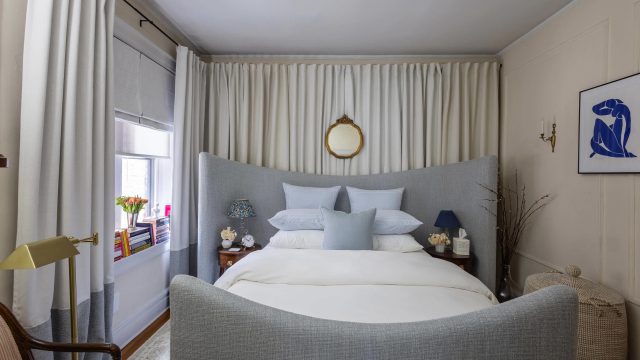
Key Takeaways
- Soft architecture emphasizes gentle curves and inviting materials.
- Demand for comfort in living spaces is driving this design trend.
- Indonesia's architecture scene is incorporating soft design elements.
- Homeowners are choosing warmth over rigidity in their spaces.
- This trend aligns with global preferences for well-being-oriented designs.
Understanding Soft Architecture
Soft architecture, a term that has gained traction recently, refers to design philosophies that focus on fluid shapes, warm materials, and comforting aesthetics. As people seek relaxation and comfort in their homes, this design approach resonates strongly with contemporary preferences. The trend is not just a fleeting fashion but reflects a deeper shift towards human-centric living environments.
The Appeal of Soft Architecture
The appeal of soft architecture lies in its ability to create spaces that feel welcoming and cozy. Unlike traditional sharp-edged designs, soft architecture embraces rounded forms and organic materials that invite touch and interaction. Here are some reasons why this trend is emerging:
1. Emphasizing Comfort
Modern homeowners are prioritizing comfort in their living spaces. Soft architecture reflects this desire by integrating plush furnishings, gentle lighting, and natural textures, allowing individuals to unwind and feel at home.
2. Blending Indoor and Outdoor Spaces
Another significant aspect of soft architecture is its focus on connecting indoor and outdoor environments. By incorporating large windows, sliding doors, and open-plan layouts, architects create seamless transitions that invite nature into the home.
3. Sustainability and Natural Materials
As sustainability becomes a critical concern, many architects are turning to eco-friendly materials. Soft architecture often utilizes timber, bamboo, and other natural resources that blend harmoniously with the landscape.
4. Cultural Influences and Regional Trends
In Southeast Asia, particularly in Indonesia, soft architectural elements are increasingly popular. Cities like Jakarta, Surabaya, and Bali are seeing a rise in contemporary homes that adopt this trend, reflecting local traditions while meeting modern needs.
Implementing Soft Architecture in Your Home
If you are considering embracing soft architecture in your living space, here are a few practical tips:
Select Rounded Furniture
Opt for furniture with rounded edges and softer silhouettes. Pieces like curved sofas and circular coffee tables can make a significant difference.
Incorporate Natural Materials
Use materials such as wood, stone, or even colorful textiles that evoke a sense of nature and warmth. Natural fibers also add texture and depth.
Focus on Natural Light
Maximize natural light in your space through large windows or skylights. Consider open layouts that allow light to flow freely, enhancing the soft ambiance.
Create Cozy Nooks
Design small, comfortable areas in your home for relaxation, such as reading nooks with plush seating and soft lighting, promoting tranquility.
Conclusion
The rise of soft architecture signifies a shift in how we perceive our living spaces. As people increasingly seek comfort, warmth, and a sense of connection with nature, this trend is expected to grow. For those in Indonesia and across Southeast Asia, embracing soft architecture can enhance not only the aesthetic value of homes but also the overall quality of life.