
Why 'Heated Rivalry' Breaks Ground in LGBTQ+ Representation on HBO Max | 2010fifa, lagu piala dunia 2018, totojitu 717, link nusabet, gold digger megaways
Why 'Heated Rivalry' Breaks Ground in LGBTQ+ Representation on HBO Max
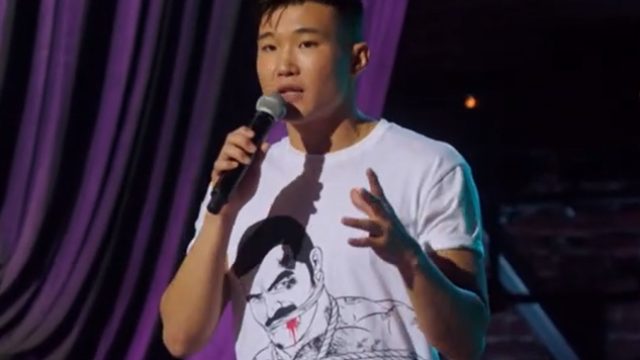
As the popularity of HBO Max's series 'Heated Rivalry' rises, comedian Joel Kim Booster asserts that the engaging series' success stems not from its sports elements but from its authentic representation of the LGBTQ+ community. This revelation comes at a pivotal moment for both audiences and creators, especially as representation in media becomes increasingly vital.
The Significance of LGBTQ+ Representation
In today's entertainment landscape, diversity and inclusion have gained unprecedented importance. 'Heated Rivalry' has positioned itself as a vanguard for LGBTQ+ representation, drawing viewers who might not typically engage with sports-themed content. Booster emphasizes that the inclusion of queer narratives can create an emotional connection that transcends traditional barriers.
Statistics That Matter
Recent studies have indicated that shows with LGBTQ+ characters can attract a wider range of viewers. For example:
- Audience Growth: Shows featuring diverse representation often see a 20-30% increase in viewership.
- Viewer Engagement: LGBTQ+ inclusive programs tend to garner higher audience engagement on social media, further amplifying their reach.
- Diverse Demographics: A broader demographic reach leads to increased subscription rates for platforms like HBO Max, which can be pivotal in a crowded streaming market.
What Makes 'Heated Rivalry' Stand Out?
'Heated Rivalry' showcases a fresh perspective on sports narratives, intertwining humor, romance, and the intricacies of modern relationships. The series not only entertains but sparks discussions around acceptance and love, making it relevant in today's culture. Unlike the traditional sports series that focus primarily on the competition, this show dives deeper into personal stories, making it easier for viewers to relate to the characters, regardless of their familiarity with sports.
Breaking Stereotypes
The portrayal of LGBTQ+ characters in 'Heated Rivalry' challenges stereotypes often seen in mainstream media. Unlike previous representations that may have relegated queer characters to background roles, this series places them front and center, allowing for multi-dimensional storytelling. Such narratives are crucial in changing societal perceptions, making room for more authentic portrayals of life and love.
Industry Impact and Future Implications
Joel Kim Booster's remarks highlight a larger trend in the entertainment industry. As networks and streaming services prioritize inclusivity, the impact on future productions will likely be substantial. Here’s how:
- Content Creation: More creators will be inspired to write diverse characters and stories, enriching the viewing experience.
- Market Demand: As audiences call for more inclusive content, platforms may see an increase in subscriptions, motivated by unique offerings like 'Heated Rivalry.'
- Viewer Loyalty: Diverse representation fosters a sense of belonging, encouraging viewer loyalty and long-term subscriptions.
Lessons for Future Productions
For creators and writers, 'Heated Rivalry' serves as a blueprint for how to effectively integrate LGBTQ+ narratives into mainstream content. With a mix of humor, relatability, and sincerity, the show exemplifies how personal stories can resonate with a broad audience. This shift is not merely a trend; it’s a movement toward embracing our shared humanity in storytelling.
Conclusion: Why Representation Matters Now
In an era where media influences social change, 'Heated Rivalry' stands as a testament to the importance of visibility and representation. As audiences tune in to witness the lives and loves of characters who break the mold, it’s clear that shows like these are paving the way for future productions. The success of 'Heated Rivalry' is a reminder of the profound impact that inclusive storytelling can have on society, making it more important than ever to support and celebrate diverse narratives.