
Supreme Court Ruling Empowers Presidential Control Over Federal Agencies | maxim4d, mesin slots, sboslot99
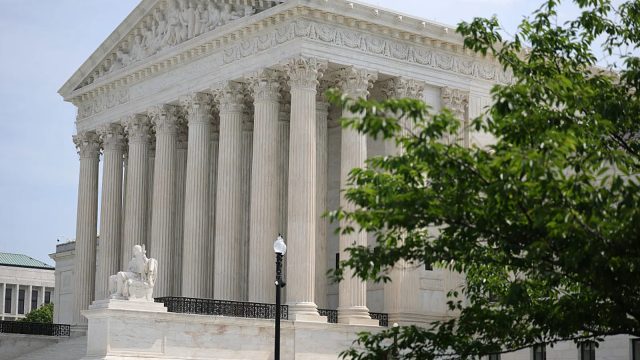
In a landmark ruling, the Supreme Court has determined that the President possesses the authority to dismiss heads of federal agencies at will. This decision marks a significant shift in the balance of power within the federal government, particularly affecting multimember agencies like the National Labor Relations Board (NLRB) and the Equal Employment Opportunity Commission (EEOC). The ruling has profound implications for agency governance and executive oversight.
Understanding the Supreme Court's Decision
The ruling arose from a case concerning the extent of presidential authority over federal agencies, which has been a point of contention for years. The Court concluded that the President’s power to remove agency heads is not only inherent but essential for maintaining an efficient executive branch. This decision underscores the notion that accountability begins at the top of federal agencies, allowing for greater alignment with the President’s policy priorities.
The Implications for Federal Governance
This new ruling is poised to reshape the way federal agencies operate. For instance, agencies such as the NLRB and EEOC, which focus on labor relations and civil rights respectively, may see a dramatic shift in their leadership dynamics. With the ability to appoint and remove agency heads at will, the current administration can swiftly implement changes that align with its political agenda.
- Increased Accountability: By allowing the President to dismiss agency heads, the ruling creates a direct line of accountability. This might lead to more responsive governance.
- Potential for Instability: Frequent changes in leadership could disrupt the continuity of agency operations. Agencies may struggle to maintain long-term goals amidst shifts in direction.
- Impact on Agency Policies: The ruling may lead to significant changes in the policies of federal agencies, particularly those that engage in contentious issues.
How This Affects Existing Agency Leadership
The decision could have immediate repercussions for current agency heads, many of whom were appointed during previous administrations. Legal experts suggest that this ruling provides a framework for the President to reassess appointments and potentially replace officials who do not align with the current administration's objectives.
Agency Heads Under Scrutiny
As the landscape shifts, several agency heads could find themselves under increased scrutiny:
- Labor Relations: The NLRB, instrumental in overseeing union activities, may see a shift in leadership as the administration prioritizes pro-business policies.
- Civil Rights Enforcement: The EEOC's role in regulating workplace discrimination could also be influenced as new leadership may bring different enforcement priorities.
Reactions from Legal Experts and Politicians
The ruling has sparked diverse reactions among legal scholars and political figures. Supporters argue that the decision fortifies the principle of executive control, allowing for more cohesive policy implementation. Critics, on the other hand, warn that such power could lead to politicization of agencies, undermining their foundational missions.
Concerns About Politicization
One of the main concerns is the potential for increased politicization within agencies that are meant to operate independently from political influences:
- Reduced Public Trust: If agencies are perceived as extensions of the executive branch, public trust may wane.
- Impediments to Objective Governance: The ability to dismiss agency heads could compromise the objectivity that these organizations strive to maintain.
Looking Ahead: Future of Federal Agencies
As this ruling takes effect, the future of federal agencies remains uncertain. It could lead to a more agile government capable of swift responses to national challenges, or it could engender instability that hampers effective policy enforcement. Stakeholders across the political spectrum will likely keep a close eye on how this decision plays out in practice.
What This Means for Citizens
For the public, this ruling signals a critical juncture in governance. As agencies navigate their evolving roles under heightened political influence, citizens may experience changes in the enforcement of regulations that impact various aspects of daily life:
- Employment Rights: Changes in the NLRB's leadership could alter the landscape of labor rights protections.
- Anti-Discrimination Policies: Shifts in the EEOC's focus may affect how workplace discrimination cases are handled moving forward.
In conclusion, the Supreme Court's ruling on presidential authority over federal agency heads could redefine the relationship between the executive branch and regulatory bodies. As agencies brace for potential leadership changes and policy shifts, both governmental insiders and the general public should remain vigilant about the outcomes of this decisive ruling.