
Transforming Spaces: Artistic Visions in Urban Rentals
Key Takeaways
- Artists are redefining urban living with creative designs.
- Utilizing rich colors and custom furniture enhances functionality.
- Transforming spaces is a trend gaining traction in cities.
- Maximalism contrasts with minimalist trends in urban design.
- Personal artwork plays a crucial role in space transformation.
The Rise of Artistic Transformations in Urban Rentals
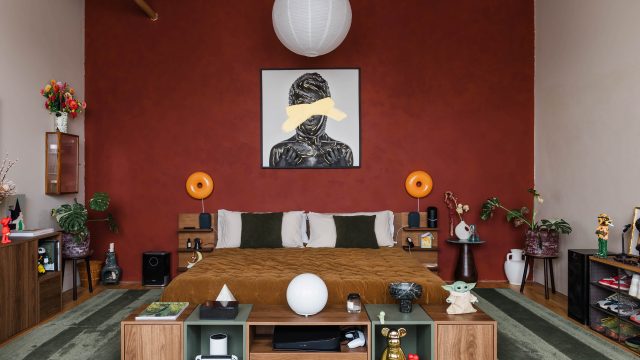
In today’s rapidly evolving urban landscapes, the need for distinct living spaces is more critical than ever. Artists around the globe are taking industrial rentals and infusing them with their unique vision, creating environments that reflect both personal style and functional needs. The transformation of raw, industrial spaces into expressive homes is not just about aesthetics; it's about crafting a lifestyle that embraces creativity. Charles Andre Thomas, a compelling example of this movement, has turned a bare Chicago rental into a moody, multifaceted studio that serves as both a home and a workspace.
Embracing Color and Customization
One of the most striking aspects of Thomas’s transformation is his use of rich jewel tones. These colors not only bring warmth and depth to an otherwise stark environment but also provide an emotional backdrop that stimulates creativity. By integrating custom furniture designed to fit his artistic vision, Thomas has created a space that is not only visually appealing but also tailored to his needs as a working artist.
The Role of Artwork in Space Design
Art plays an integral role in Thomas’s home, serving not only as decor but also as a fundamental component of the space’s identity. His own works adorn the walls, acting as vibrant focal points that draw the eye and inspire the mind. This approach emphasizes the importance of personal expression in home design, encouraging others to consider how their art can shape and define their spaces.
Why This Matters Now
The trend of transforming industrial rentals into artistic havens is particularly significant in today's context. With the rise of remote work and the increasing value placed on personal wellbeing, living environments are evolving to meet new lifestyle demands. People are seeking spaces that not only serve basic functions but also inspire and rejuvenate. This is particularly true in cities across Southeast Asia, including Jakarta and Surabaya, where the creative class is thriving, and the demand for unique living arrangements is on the rise.
Impact in Southeast Asia
In the Indonesian market, for example, there’s a growing emphasis on artistic living environments that cater to the needs of the creative community. This shift is reflected in the increasing number of co-working spaces, artistic hubs, and galleries. As more individuals seek to incorporate their artistic pursuits into their daily lives, the importance of adaptable living spaces becomes evident.
Conclusion: The Future of Urban Living
The transformation of urban rentals into artistic spaces is more than just a trend; it represents a significant shift in how individuals relate to their living environments. As more artists like Charles Andre Thomas take the leap to design their spaces creatively, we can expect to see a continued emphasis on personalization and functionality in urban rentals. This evolution encourages a deeper connection between art and daily life, making home a more inspiring and dynamic place to be.