
Texas Public Schools to Require Bible Reading: What It Means for Education | melayu 4d slot online, keluaran sydny, pengeluaran data hk 2023 lengkap, klik555 slot, bigsloto slot
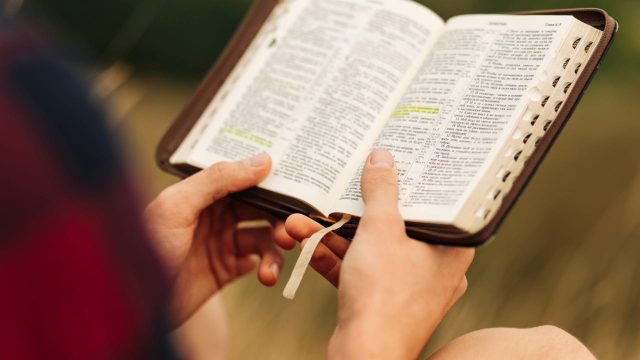
Texas Public Schools to Require Bible Reading: What It Means for Education
In a significant shift in educational policy, Texas has approved a new mandate that requires public schools to include Bible readings in their curricula. This decision, made by the State Board of Education, has stirred discussions regarding the role of religion in public education and its implications for students, parents, and educators alike.
The New Mandate: Overview and Key Details
The Texas education system has long been a topic of debate, particularly concerning the intersection of religion and public schooling. With this new policy, public schools in Texas are now required to teach from a selected reading list that includes various passages from the Bible. This initiative is seen as a step towards enriching students' understanding of religious texts, yet it raises critical questions about educational inclusivity.
What Texts Will Be Included?
- Noah's Ark
- The Book of Job
- Other significant Biblical stories
The emphasis on these stories aims to provide students with cultural and historical context. Advocates argue that understanding biblical literature is essential for grasping many aspects of Western literature, law, and ethical discussions.
Why This Matters Now
This mandate comes at a pivotal moment in America, where debates about the separation of church and state continue to dominate conversations about public education. The timing is crucial, as many states are examining their own education policies in light of recent social movements and calls for greater transparency in school curricula.
Potential Impacts on Students and Educators
As Texas implements this policy, the following implications could arise:
- Curriculum Changes: Schools will need to adapt their curricula to include these mandated texts, potentially displacing other educational content.
- Religious Diversity: This may alienate students from diverse religious backgrounds or those who identify as secular, raising concerns about inclusivity.
- Teacher Preparedness: Educators may require additional training to effectively teach these materials while navigating the complexities of religious discussions in a public setting.
Responses from the Community
The decision has elicited a spectrum of reactions from various stakeholders. Supporters argue that introducing Biblical texts fosters moral education and cultural literacy among students. Critics, however, voice their concerns about the potential infringement on students' rights to religious freedom and the integrity of public education.
Voices of Concern
Opponents of the mandate warn that this could lead to:
- The marginalization of non-Christian beliefs in educational spaces.
- Legal challenges that could arise from perceived violations of the Establishment Clause.
- A divisive atmosphere in schools that may detract from learning.
Looking Ahead: The Future of Public Education in Texas
As Texas takes this bold step, other states will likely observe closely. The outcome of this mandate could set a precedent for how public education addresses religious texts in the future. Stakeholders, including parents and educators, will need to stay informed and engaged in discussions about the implications of such policies.
What Parents and Students Can Do
In light of these developments, parents and students should consider the following actions:
- Engage in conversations about the curriculum with educators and school boards.
- Foster an environment that encourages discussion about diverse beliefs and perspectives.
- Stay informed about legislative changes affecting public education.
Conclusion
The Texas mandate requiring Bible readings in public schools is a significant development that poses both opportunities and challenges in the education landscape. As the community navigates this change, the emphasis will be on ensuring that education remains inclusive and comprehensive, valuing all students' backgrounds while enriching their understanding of cultural texts. These discussions are pivotal as we strive to create educational environments that honor diversity while fostering knowledge across all subjects, including spirituality and moral education.