
Legal Showdown Looms After NYC Building Collapse | moors world of sport betting, biggest sports bets, download lagu ya nabi salam alaika
The Incident and Its Immediate Repercussions
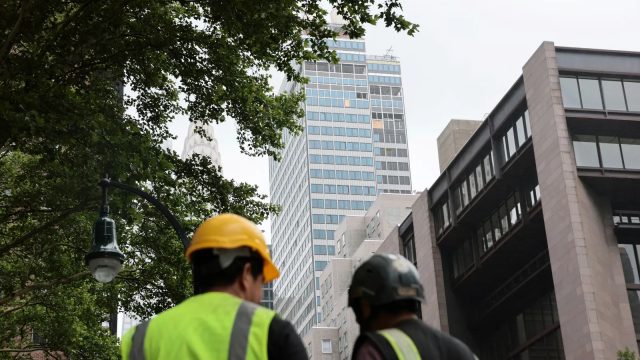
In a shocking turn of events, a structural failure at a renovation project on East 42nd Street in New York City has raised significant safety concerns. Such incidents often lead to a complex web of legal battles as various parties seek accountability and compensation. Once the dust settles, the legal ramifications of this incident are expected to unfold rapidly.
Key Takeaways
- A structural failure in NYC could lead to numerous legal claims.
- Expert construction lawyers predict extensive litigation over liability.
- Immediate safety measures are paramount following such incidents.
- The East 42nd Street project highlights risks in urban construction.
- Legal outcomes may influence future construction regulations.
Understanding the Legal Landscape
When a building fails structurally, the first step is addressing safety risks. However, once these immediate concerns are managed, the legal complexities emerge. Construction lawyers emphasize that stakeholders—owners, contractors, and insurers—often find themselves embroiled in disputes over who is liable. Factors such as negligence, adherence to safety protocols, and the quality of materials used will come under scrutiny.
Potential Claims and Stakeholders Involved
The legal claims that may arise from the East 42nd Street incident are multi-faceted, including:
- Negligence Claims: If construction practices are found to be substandard, contractors could be held accountable.
- Insurance Disputes: Insurers may challenge claims based on policy exclusions or perceived negligence.
- Regulatory Scrutiny: Authorities may impose penalties and stricter regulations as a response to the incident.
The Broader Impact on Construction Practices
As the dust settles in New York, the effects of this structural failure are likely to ripple through the construction industry both locally and internationally. In Southeast Asia, particularly in rapidly developing markets like Indonesia, similar incidents could lead to a reevaluation of construction practices and safety standards. Cities such as Jakarta, Surabaya, and Bali are witnessing significant growth, and the lessons learned from NYC could prove invaluable.
Why This Matters Now
The increased scrutiny on construction safety is crucial in today's environment, where urban areas are expanding at an unprecedented rate. The East 42nd Street incident serves as a sobering reminder of the potential consequences of ignoring safety protocols and the importance of rigorous adherence to quality standards. As governments and construction companies recalibrate their approaches, they face the challenge of ensuring public safety while maintaining developmental momentum.
Planning for Future Safety
In light of recent events, construction companies must prioritize safety over expediency. Preparing for potential legal battles involves proactive measures, such as:
- Conducting regular compliance audits to ensure adherence to building codes.
- Implementing rigorous training programs for staff on safety procedures.
- Establishing clear channels of communication among all stakeholders involved in construction projects.
Conclusion
The structural failure on East 42nd Street is not just a local issue; it represents a significant point of reference for construction practices worldwide. As NYC prepares for an influx of legal disputes, the incident highlights the need for improved safety measures across the construction industry. Stakeholders should take this opportunity to reflect on their practices, ensuring that safety remains a priority in future endeavors.