
Innovative Tiny House Design: Accommodating Family Life in 215 Square Feet | situs judi, 77dragon slot, lapak777 slot
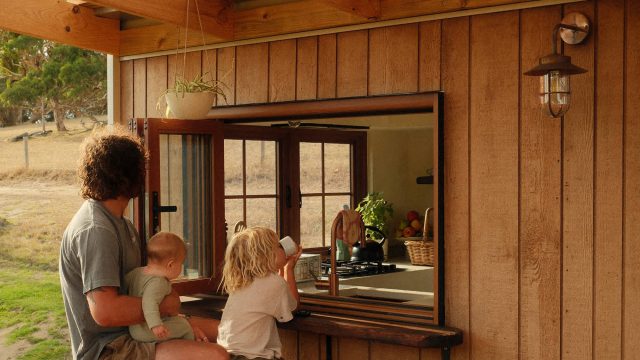
Modern Tiny Living: A Family's Journey
As families grow, so do their needs, yet space often remains limited. This is especially true in bustling regions like Southeast Asia, where rising living costs prompt many to rethink traditional housing solutions. A remarkable story from a family in Indonesia exemplifies this shift: facing an unexpected pregnancy, they transformed their modest 84-square-foot van into a spacious, yet compact, 215-square-foot tiny house.
Key Takeaways
- A tiny house can efficiently accommodate a family, emphasizing space optimization.
- The design process involved innovative solutions tailored to family life.
- Sustainability is a core principle in modern tiny house living.
- Such homes are becoming increasingly popular in urban centers like Jakarta and Surabaya.
- Embracing a minimalist lifestyle can lead to financial and emotional benefits.
The Design Process: Meeting Unique Family Needs
Maddison Milton and Kyle Markham were motivated by necessity when they decided to design their new living space. With only nine months to create a home that could comfortably accommodate two adults, two children, and a husky, they faced the challenge head-on.
Creative Solutions for Limited Space
The couple's design journey involved brainstorming various functionalities that could coexist in a limited area. They incorporated multi-functional furniture, like convertible beds and expandable tables, ensuring that every square inch served a purpose. This flexibility is crucial in tiny homes, particularly in urban areas where space is at a premium.
Prioritizing Comfort and Sustainability
One of the family's key focuses was to create a warm, welcoming environment that still adhered to sustainable practices. They chose eco-friendly materials and energy-efficient appliances. This not only minimized their environmental impact but also reduced long-term living costs, a significant consideration in the Indonesian market.
The Impact of Tiny Living on Families
As seen in this family's experience, tiny homes are more than just a trend; they represent a shift towards a more sustainable and conscious lifestyle. In crowded cities like Bali and Jakarta, tiny houses are emerging as attractive alternatives for many seeking reprieve from urban pressures.
Financial Benefits
Living in a smaller space often equates to lower mortgage or rent payments. Families can allocate resources more efficiently, leading to improved financial health. This aspect resonates particularly well within the ASEAN region, where rising living costs are a constant concern.
Emotional and Lifestyle Advantages
Beyond finances, transitioning to a tiny house can foster stronger family bonds. With less space, families tend to spend more time together, leading to improved communication and relationships. This is particularly vital in Indonesia's close-knit communities, where familial ties are cherished.
Conclusion: The Future of Living Spaces
The story of Maddison and Kyle is just one example of how families adapt in the face of changing circumstances. As the tiny house movement gains momentum, it challenges conventional notions of space and family living. For those considering this lifestyle, it offers a unique blend of sustainability, financial freedom, and emotional connection. Tiny houses are not merely buildings; they symbolize a profound way of living that resonates deeply with the values of the modern world.