
GOP Tensions Rise as Senator Rick Scott Faces Criticism from Colleagues | key4d rtp, fortuna slot 77, the twister boxer, qq poker online, ergaaly lirik latin
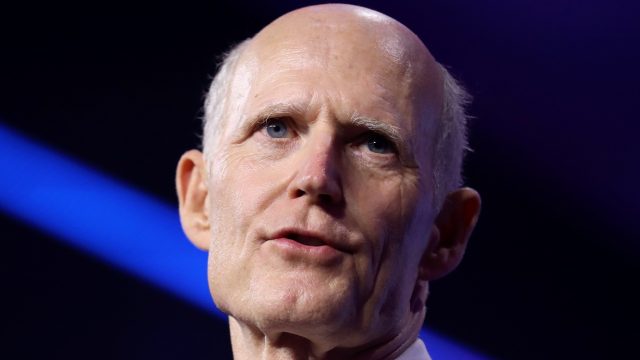
GOP Tensions Rise as Senator Rick Scott Faces Criticism from Colleagues
In the ever-evolving landscape of American politics, internal conflicts within the Republican Party are drawing significant attention. Recently, U.S. Senator Rick Scott from Florida found himself at the center of criticism from his GOP colleagues, particularly from Representative Thomas Massie of Kentucky. This clash highlights not only the fractures within the party but also raises questions about the future of Republican unity as they approach crucial legislative decisions.
Understanding the Controversy
The heart of the matter lies in Senator Scott’s recent comments regarding the federal budget. In a video shared widely on social media, Scott expressed strong opposition to President Trump’s proposed “One Big Beautiful Bill,” vowing to stand firm against what he deemed excessive spending. Fast forward to recent developments, and Massie is challenging Scott's commitment to fiscal responsibility.
Massie's Critique
Massie, a vocal advocate for conservative fiscal policies, took to social media to point out what he sees as a significant reversal in Scott's stance. He described the Senator's shift as a classic case of GOP capitulation, stating, “He caved like they always do.” This remark not only questions Scott's integrity but also underscores a growing frustration among some GOP members with leadership that appears inconsistent in its commitment to core values.
The Implications for GOP Unity
As the Republican Party grapples with its identity, the tension between Scott and Massie sheds light on larger issues at play. The party is facing a critical juncture where unity is essential to navigate legislative challenges and prepare for upcoming elections.
Challenges Ahead
- Legislative Deadlocks: With the federal budget a hot-button issue, disagreements within the party could lead to legislative gridlock, hampering efforts to advance conservative priorities.
- Voter Perception: Public perception of internal conflicts may deter potential voters who seek a cohesive and decisive party.
- 2024 Elections: As Republicans gear up for the next election cycle, these divisions could critically influence candidate selection and campaign messaging.
Historical Context of GOP Conflicts
This is not the first time factions within the GOP have clashed. Historical precedents show that ideological rifts often emerge during pivotal legislative periods. For instance, during the budget negotiations of the past decade, similar tensions led to public disputes and even government shutdowns, creating an atmosphere of instability.
Lessons Learned
- Commit to Core Principles: To maintain party unity, GOP members must revisit their foundational principles and ensure that their actions align with the party's values.
- Open Dialogue: Encouraging open discussions within the party can help to address grievances and lay the groundwork for compromise.
- Engage the Base: Maintaining strong connections with grassroots supporters is crucial for ensuring that the party's direction reflects the desires of its constituents.
Conclusion
As we observe the unfolding dynamics within the GOP, it’s clear that the confrontation between Senator Rick Scott and Representative Thomas Massie is emblematic of a larger struggle for identity and direction within the party. With critical legislative battles on the horizon, the need for unity and consistent messaging has never been more apparent. The question remains: can the GOP overcome its internal disputes and present a united front as it heads into a new political era? Only time will tell, but for now, the spotlight is firmly on leaders like Scott, as their actions will shape the party's future.