
Understanding the Distinction Between Cleaning and Cooking Vinegar | liga galaxy slot, pahlawan4d, raden4d, slot ionwin77
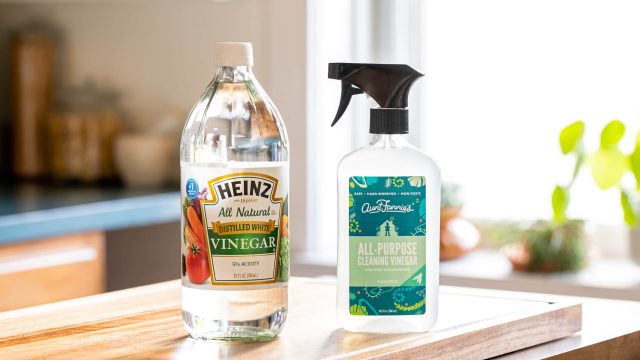
Understanding the Distinction Between Cleaning and Cooking Vinegar
Vinegar is a staple in many households, known for its versatility in both the kitchen and cleaning tasks. However, not all vinegar is created equal. This article sheds light on the key differences between cleaning vinegar and cooking vinegar, helping you make informed choices for your culinary and cleaning needs.
The Basics of Vinegar
Vinegar is an acetic acid solution produced through the fermentation of ethanol. Its distinctive taste and strong acidic properties make it a useful ingredient in many applications. However, when it comes to cleaning and cooking, the types of vinegar you reach for can have vastly different compositions and purposes.
Types of Vinegar
- Cooking Vinegar: Commonly found in kitchens, this type includes varieties like white vinegar, apple cider vinegar, and balsamic vinegar.
- Cleaning Vinegar: Typically more potent, cleaning vinegar has a higher acetic acid concentration, making it ideal for tackling tough stains and disinfecting surfaces.
The Composition Difference
One of the most significant differences lies in the concentration of acetic acid. Cooking vinegars generally have an acetic acid content of around 4-7%. In contrast, cleaning vinegar boasts a concentration of 6-20%, making it much more effective for cleaning tasks.
What Makes Cleaning Vinegar More Effective?
The higher acidity level in cleaning vinegar enables it to break down grime, kill bacteria, and eliminate odors. This capability makes it an ideal choice for disinfecting kitchens, bathrooms, and other areas prone to germs. It’s also excellent at cutting through grease and removing mineral deposits from appliances.
Best Uses for Cooking Vinegar
Cooking vinegar serves a dual purpose: it's not just an ingredient but also plays a role in food preservation. Here’s how you can use cooking vinegar effectively:
- Salad Dressings: Use it as a tangy base for homemade dressings.
- Marinades: Enhance the flavor of meats by marinating them in vinegar.
- Food Preservation: Pickling vegetables is a traditional method that uses vinegar to prolong shelf life.
When to Use Cleaning Vinegar
While cleaning vinegar shouldn't be consumed, it can be a powerhouse in various household cleaning tasks. Here are some practical applications:
- Surface Disinfection: Wipe down kitchen counters and cutting boards with cleaning vinegar for a germ-free zone.
- Appliance Maintenance: Use it in dishwashers or coffee makers to remove limescale buildup.
- Odor Neutralization: Place a bowl of cleaning vinegar in the fridge or trash can to absorb unwanted smells.
Safety Tips for Using Vinegar
Despite its many benefits, using vinegar does come with its own set of precautions:
- Always read the labels: Ensure you are using the correct type of vinegar for your intended purpose.
- Test on small areas: When using cleaning vinegar on surfaces, test a small area first to avoid damage.
- Keep away from certain materials: Avoid using vinegar on natural stone or hardwood floors, as it can cause etching or damage.
Conclusion
Understanding the differences between cleaning vinegar and cooking vinegar is crucial for maximizing their benefits in your home. By leveraging the unique properties of each type, you can enhance your cooking and maintain a clean, healthy living space. The next time you're stocking up on vinegar, remember that choosing the right type for the right job can make all the difference.