
Transforming Small Spaces: Innovative Design Tips from a Mexico City Apartment
Key Takeaways
- Customization in small spaces maximizes functionality.
- Effective storage solutions minimize clutter and enhance aesthetics.
- Natural materials can create a warm and inviting atmosphere.
- Smart layout choices significantly improve space usability.
- Incorporating local culture can add character to design.
Rethinking Small Spaces
Living in a compact apartment doesn’t have to mean sacrificing comfort or style. In recent trends, especially within vibrant urban centers like Mexico City, innovative design solutions are proving that smaller living spaces can feel expansive. The recent renovation of a 527-square-foot apartment showcases how thoughtful planning and creative design can transform constraining dimensions into welcoming environments.
Architects and designers are increasingly turning to customizable solutions, which allow homeowners to maximize every inch of space. This approach not only enhances functionality but also ensures that each element contributes to the overall aesthetic of the home.
Smart Storage Solutions
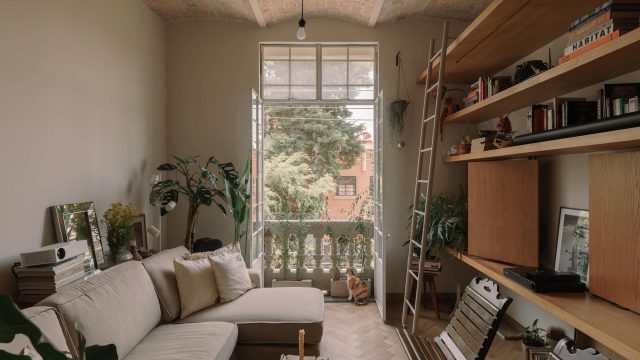
One of the standout features of the renovated apartment is the strategic use of storage. In small spaces, clutter can quickly accumulate, making a home feel cramped. To combat this, the couple integrated hidden storage throughout their apartment. Built-in shelves, cabinets, and multi-functional furniture pieces have been tailored to fit seamlessly into the space. Here are a few strategies they implemented:
- Under-bed Storage: Utilizing the space under the bed for seasonal clothing or extra linens helps keep the main living areas tidy.
- Wall-mounted Cabinets: Floating shelves and cabinets save floor space while providing adequate storage for books and decor.
- Convertible Furniture: A dining table that doubles as a workspace can adapt to different needs without taking up extra room.
Incorporating Natural Elements
The use of natural materials, such as volcanic stone that resonates with Mexico’s architectural history, plays a vital role in the apartment's design. These elements not only provide durability but also add to the unique character of the home, reflecting the couple's connection to their culture. Using local materials in home renovations is becoming a popular trend in many regions, including Southeast Asia, where homeowners seek to create spaces that resonate with their heritage.
The Power of Layout
Layout is key in maximizing a limited area. The couple embraced an open concept by removing unnecessary walls to create a fluid living space. This strategic choice enhances movement and makes the apartment feel larger. Here are some layout tips for small apartments:
- Open Concept Living: Combining living, dining, and cooking areas can create a more spacious feel.
- Defined Zones: Use rugs or furniture arrangements to define different functional areas within an open layout.
- Vertical Space: Don't forget to utilize wall height; tall shelving units can draw the eye upward and create the illusion of height.
Fostering a Sense of Community
In many urban settings, community is a vital aspect of life. The renovated apartment's design encourages social interaction, with the living area positioned to welcome friends and family. The couple designed their space to be a hub of activity, which is a growing need as cities become denser.
Conclusion
Transforming a small apartment into a stylish and functional living space is not just about aesthetics; it involves clever planning and a deep understanding of how to utilize space effectively. The renovation of this Mexico City apartment serves as a powerful example for others living in tight quarters, particularly in rapidly urbanizing regions like Southeast Asia. By prioritizing storage solutions, natural materials, and thoughtful layout, homeowners can create environments that feel more expansive, inviting, and culturally resonant.