
Transforming Quirky Spaces: A Brooklyn Apartment's Unique Makeover
Key Takeaways
- Creative design can enhance the appeal of unusual apartment layouts.
- Incorporating vibrant colors adds warmth to any living space.
- Thoughtful updates can transform rentals without major renovations.
- Personality in decor can make a house feel like a true home.
- Embracing odd layouts can lead to innovative living solutions.
Designing Around a Unique Layout
In the heart of Brooklyn, where space is a premium, a creative resident took the plunge to reinvent her railroad apartment. Over two and a half years, Tess meticulously designed her quirky home, focusing on enhancing its unusual layout rather than trying to conceal it. This transformation stands as a testament to how thoughtful design can turn limitations into features that define style and comfort.
Understanding Railroad Apartment Layouts
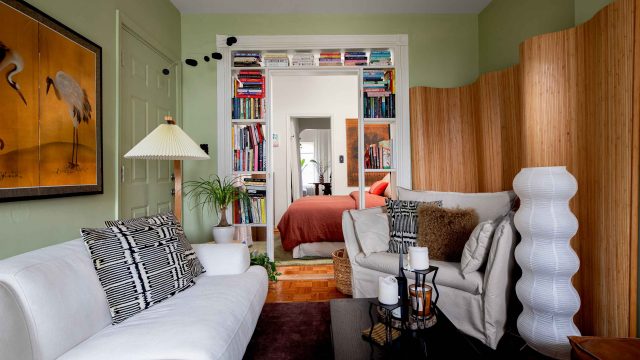
Railroad apartments, characterized by their long, narrow layouts, can often feel restrictive. However, with a strategic approach, residents can maximize these spaces. Tess embraced her apartment's length by creating distinct zones, turning the living area into a multifunctional space. She added soft textures and warm colors to evoke a sense of brightness and openness.
Color Schemes That Pop
One of Tess's standout choices was her vibrant color palette. By selecting bold hues, she infused energy into her apartment. Rooms were painted in deep blues, yellows, and greens, creating a harmonious flow while keeping the atmosphere lively. Color not only reflects personal style but also influences mood, making it an essential component in her redesign.
Furniture That Fits the Space
Furniture selection played a crucial role in the apartment's makeover. Tess focused on pieces that complemented her layout without overwhelming it. She sourced multifunctional furniture that provided storage and seating but remained visually light, ensuring that the apartment retained its airy feel. For example, a sleek sofa doubles as a bed for guests, showcasing practicality without sacrificing style.
Personal Touches and Decor
To truly make the space her own, Tess incorporated personal decor that tells her story. From vibrant artwork to eclectic collectibles from her travels, each item is meticulously placed to enhance the apartment's character. These personal touches not only add depth but also create a narrative within the space, making it a reflection of her identity.
Incorporating Nature Indoors
Bringing nature indoors was another crucial element of Tess's design approach. She strategically placed plants throughout her apartment, which not only provides a pop of green but also improves air quality. Plants can create a calming atmosphere and serve as a natural divider in open spaces, enhancing the overall aesthetic.
The Importance of Adaptability
In today's fast-paced urban living environment, adaptability is paramount. Tess's journey highlights how embracing and adapting to a unique layout can lead to greater satisfaction in home life. It reminds us that any living space, no matter how unconventional, can be transformed into a warm and inviting home with creativity and thoughtful design.
Design Tips for Your Quirky Space
- Use color to define areas and enhance atmosphere.
- Select furniture that maximizes space without crowding.
- Incorporate personal decor to reflect your identity.
- Consider plants to add life and interest to your decor.
- Embrace the layout; transform challenges into design features.
Conclusion
Tess's transformation of her Brooklyn railroad apartment serves as an inspiring example for those navigating unique living spaces. With thoughtful updates, vibrant colors, and personal touches, she turned what could have been a limiting layout into a cozy, inviting home that reflects her style and personality. As urban dwellers continue to face similar challenges, Tess’s story encourages others to look at their homes not just as spaces to live in, but as opportunities for creativity and expression.