
Understanding the New Financial Barriers to Free Speech | hbc69 rtp, qq pulsa 303, oasis group togel, dukun178
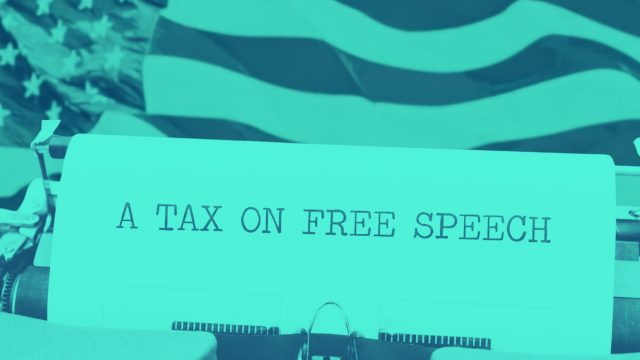
Understanding the New Financial Barriers to Free Speech
In recent times, the concept of free speech has come under a new threat—not from outright censorship, but from financial obstacles that make it increasingly expensive to express opinions and share ideas. As the digital landscape evolves, so too do the methods of controlling discourse. This article delves into the implications of these emerging financial barriers and why they matter now more than ever.
The Financial Evolution of Free Speech
Traditionally, free speech has been a cornerstone of democratic societies. However, the advent of new technology and the rise of social media platforms have changed the dynamics. Now, instead of direct censorship, individuals may find themselves faced with hefty costs for disseminating their views, creating a new form of a "First Amendment tax" on free speech.
How Costs Impact Expression
The costs associated with engaging in free speech can manifest in several ways, including:
- Platform Fees: Many platforms require payment for advertising or promotion to reach a wider audience.
- Legal Fees: As litigation around speech becomes more common, individuals are often forced to spend considerable amounts to defend their opinions.
- Content Creation Costs: Producing high-quality content that stands out can be financially taxing, with expenses for graphic design, video production, and more.
The Role of Technology in Amplifying Costs
With the rise of influential technology companies, the landscape of free expression has transformed dramatically. These companies often dictate the rules of engagement and can impose costs that stifle diverse viewpoints.
Social Media as a Double-Edged Sword
While social media has democratized the flow of information, it has also introduced significant financial barriers:
- Algorithm Changes: Changes to algorithms can limit visibility unless users pay to promote their content.
- Monetization Requirements: Many platforms require users to attain specific thresholds of followership or engagement before they can monetize their content, pushing some opinions out of reach.
Why This Matters Now
The implications of these financial barriers cannot be overstated. As society grapples with a multitude of pressing issues—ranging from climate change to social justice—the need for open dialogue is paramount. However, if the cost of entry into these discussions becomes prohibitive, it can lead to a homogenization of opinion, where only those with significant financial resources are heard.
Emerging Trends and Their Effects
Recently, trends have emerged that further complicate the relationship between free speech and costs:
- Microtransactions: With the introduction of systems like qq pulsa 303, users are expected to make small payments to access or share specific content.
- Group Fundraising: Initiatives like oasis group togel require community funding for the dissemination of particular viewpoints, which can skew representation.
- Exclusive Content: Platforms that cater to elite voices can marginalize grassroots movements unless they can access similar funding.
How to Navigate These Challenges
To maintain a vibrant discourse without succumbing to financial pressures, individuals and organizations can consider several strategies:
- Community Support: Building networks of mutual aid can help share costs associated with content creation and distribution.
- Diverse Platforms: Exploring alternative platforms that prioritize free expression over profit can provide a haven for voices that might otherwise be silenced.
- Advocacy for Policy Change: Engaging in advocacy for policy reforms that reduce barriers to entry into public discourse can make a significant difference.
Conclusion
The financial barriers to free speech represent a pressing issue that demands our attention. As we continue to navigate an increasingly complex landscape of communication, it's vital to understand the costs associated with expressing oneself. By recognizing these challenges and taking proactive steps, we can work towards a future where free speech remains accessible to all, regardless of financial capability. Embrace the conversation—your voice matters now more than ever.